
Dormant companies in Singapore still carry filing duties to ACRA and, in most cases, to IRAS, unless a waiver has been granted. The first action for any director is to confirm company status in BizFile+ and myTax Portal, then check that Corppass authorisations are current. We support directors through this process to help prevent compliance gaps that could lead to penalties.
TL;DR:
- ACRA and IRAS use different dormancy tests; a company may qualify for the $500,000 financial statement exemption yet owe tax filings if it earns any income.
- Private companies must file ACRA’s annual return within seven months of year end, and they can request a paid extension of 60 days.
- IRAS estimates the Form for Dormant Company takes five minutes; waiver processing takes about two months, with a possible advance return due within 21 days.
- ACRA charges $300 for annual returns filed within three months after the deadline and $600 thereafter; repeated violations can lead to prosecution or director disqualification.
- Directors need IRAS tax clearance before applying to strike off through BizFile+, after settling all overdue tax returns and liabilities.
Table of Contents
- What counts as a dormant company in Singapore: ACRA vs IRAS
- ACRA filing duties for dormant companies: annual return, financial statements and audit exemptions
- IRAS duties for dormant companies: Form for Dormant Company, waivers and timelines
- Strike-off, cessation and recommencement: practical steps and tax clearance
- Penalties, enforcement and director risks for missed filings
- Practical filing checklist and timeline for dormant companies
- How Bizsquare supports dormant-company directors in Singapore
- When to keep a company dormant and when to close it
- Bizsquare services for dormant companies and how to get help
- FAQ
- Sources
What counts as a dormant company in Singapore: ACRA vs IRAS
ACRA and IRAS apply different tests for dormancy, and directors who mix them up often miss a filing. Under Companies Act section 201A, a dormant relevant company may skip preparing and filing financial statements if it meets the dormancy condition and a substantial assets test, where total assets do not exceed $500,000. IRAS takes a narrower tax view: a company counts as dormant for a basis period only if it had no income at all during that period, which then determines the Year of Assessment treatment.
These definitions can pull in different directions:
- A company can be dormant under IRAS rules while ACRA still treats it as active because it holds shares or other assets above the threshold.
- A company can qualify for the ACRA financial statement exemption yet still owe IRAS a return if it earned any income, however small.
- Directors sometimes assume one filing covers both authorities, which is incorrect and a common source of late penalties.
ACRA filing duties for dormant companies: annual return, financial statements and audit exemptions
Every company, dormant or not, must file an annual return with ACRA through BizFile+. The return is due within seven months of the financial year end for most private companies, and a 60 day extension can be requested for a fee if more time is needed. Here is the practical sequence directors should follow each year:
- Log into BizFile+ with Corppass and confirm the company’s financial year end.
- Hold the annual general meeting or pass the resolution dispensing with it, where allowed.
- Prepare financial statements, unless the company qualifies for the s201A exemption.
- Lodge the annual return online, declaring dormant status where applicable.
- Retain supporting records even when no statements are filed.
The s201A exemption applies only when the company has been dormant since the end of the previous financial year and its total assets do not exceed $500,000. Directors must tick the relevant declaration in the annual return to record the exemption, rather than simply omitting the statements.
Pro Tip: Keep a simple annual asset log so you can prove, year after year, that the $500,000 threshold has not been breached.
IRAS duties for dormant companies: Form for Dormant Company, waivers and timelines
Dormant companies usually still need to tell IRAS they had no income, and the authority has built a short digital process for exactly this purpose. Here is how the process typically runs:
- File the Form for Dormant Company through myTax Portal, a step IRAS estimates takes about five minutes to complete.
- Apply for a waiver to stop filing Form C-S or Form C entirely, if the company expects to stay dormant for some time.
- Set up Corppass authorisation at the correct level before attempting either filing, since the wrong access level is a frequent cause of failed submissions.
IRAS typically processes a waiver application within about two months, and a company may have 21 days to file an advance Year of Assessment return if one becomes due during that period. This matters for directors planning cash flow around their filing calendar, since a late response to an advance YA request can undo the benefit of the waiver. If the company recommences business at any point, IRAS must be notified so normal tax filing resumes from that Year of Assessment onward. Our corporate tax filing guide walks through the waiver application in more detail.
Strike-off, cessation and recommencement: practical steps and tax clearance
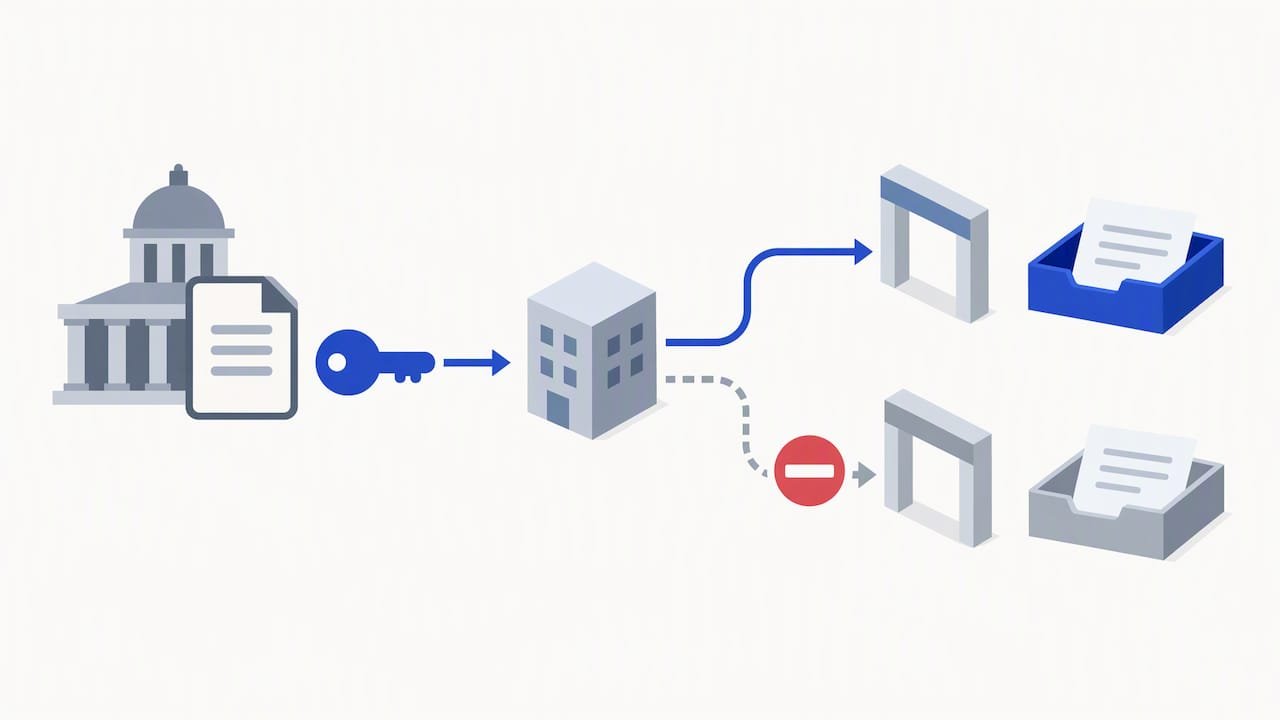
Some directors choose to strike off a dormant company rather than keep filing year after year, particularly when there is no realistic plan to trade again. Before ACRA will approve a strike-off, IRAS tax clearance must be obtained, and outstanding liabilities are the most common reason for objection.
The practical steps look like this:
- Settle any outstanding tax assessments and file any overdue returns before applying.
- Submit the strike-off application through BizFile+ once IRAS raises no objection.
- Notify both ACRA and IRAS promptly if the company instead recommences business, since continuing to file as dormant after trading resumes is treated as inaccurate reporting.
Choosing between strike-off and continued dormancy is a judgement call that depends on future plans for the company.
Penalties, enforcement and director risks for missed filings
ACRA enforces a two-tier penalty for late annual returns: $300 if filed within three months of the due date, rising to $600 after three months. Repeated late filing can lead to composition sums, prosecution, or director disqualification in serious cases. IRAS treats incorrect dormancy declarations seriously too, particularly where a company has resumed income without notifying the authority.
Dormancy is not automatic. Directors must actively maintain the status through correct, timely filings, and inactivity does not excuse a missed deadline.
Our guide to ACRA late filing penalties sets out the fee schedule and steps to avoid composition sums.
Practical filing checklist and timeline for dormant companies
Here is a sequence directors can follow each year to stay on top of dormant company filing in Singapore:
- Confirm dormant status separately with ACRA and IRAS, since the tests differ.
- Check the financial year end and adjust the filing calendar if it has changed.
- Set up or renew Corppass authorisation for the director or appointed agent.
- File the Form for Dormant Company in myTax Portal, or submit a waiver application if eligible.
- Lodge the ACRA annual return in BizFile+, or request a 60 day extension if more time is needed.
- Retain statutory registers, resolutions and past filings in case of future audit or strike-off.
Most of these steps take only minutes online, but gathering the right documents beforehand makes the process smoother. Our checklist for directors of dormant companies lays out dates and documents for the full filing year.
Pro Tip: Delegate Corppass management and filing to an authorised corporate secretary or tax agent, since a wrong access level is one of the most common causes of rejected submissions.
How Bizsquare supports dormant-company directors in Singapore
We handle the recurring administrative load that dormant company filing in Singapore creates, from Corppass setup to ACRA lodgments. Our corporate secretarial services cover annual return filing, statutory register maintenance and AGM support, while our corporate tax filing and advisory team manages the Form for Dormant Company and waiver applications directly with IRAS. For companies weighing strike-off, we guide directors through the clearance steps to ensure proper compliance. Our 30 November checklist for Singapore directors of dormant companies is a useful starting point for any director reviewing their obligations this year.
— Vandro
When to keep a company dormant and when to close it
Holding on to a dormant company makes sense when you expect to resume trading, retain a licence, or keep an asset structure intact. Striking off suits directors who want a clean break and fewer recurring obligations each year. Neither choice is automatically right, and the decision often comes down to how likely the business is to restart. A short conversation with a corporate secretary or tax adviser before deciding can prevent an expensive reversal later.
Bizsquare services for dormant companies and how to get help

Support is available for every stage of dormant company filing, from Corppass setup to waiver applications and eventual strike-off. Our corporate secretarial services keep ACRA filings on schedule, our corporate tax filing and advisory team manages IRAS submissions, and our accounting and bookkeeping services step in the moment a company resumes trading. Contact us for a compliance review to confirm filing requirements for the company this year.
FAQ
What is a dormant company in Singapore?
A dormant company is one that has no income and carries on no business during a financial year, as defined by IRAS. ACRA applies a related but separate test tied to the Companies Act, so a company can meet one authority’s definition without meeting the other’s.
Does a dormant company need to file a Corporate Tax return?
Yes, unless IRAS has approved a waiver to stop filing Form C-S or Form C. Without a waiver, dormant companies typically file the simpler Form for Dormant Company through myTax Portal instead of a full tax return.
Who is exempt from an audit?
Companies that qualify as small companies under the Companies Act, or dormant relevant companies meeting the section 201A conditions, may be exempt from audit and from preparing financial statements. The exemption depends on meeting specific size or dormancy and asset thresholds, not on a simple declaration alone.
What are the requirements to register a company in Singapore?
Registering a company in Singapore requires at least one resident director, a registered office address, and a company secretary appointed within six months of incorporation. Our company incorporation service handles these requirements directly for new and foreign-owned entities.
How long does it take to file the Form for Dormant Company?
IRAS estimates the Form for Dormant Company takes about five minutes to complete through myTax Portal, once Corppass authorisation is in place. Delays usually come from access issues rather than the form itself.
What happens if a dormant company misses the ACRA annual return deadline?
ACRA charges a late filing penalty of $300 within the first three months after the due date, rising to $600 after three months. Continued non-compliance can lead to prosecution or director disqualification in serious cases.
Can a dormant company apply for a permanent waiver from filing tax returns?
Yes, a company can apply through myTax Portal for a waiver to stop filing Form C-S or Form C, and IRAS typically processes this within about two months. The company must notify IRAS as soon as it recommences business so normal filing resumes.
What should a company do before applying to strike off?
All outstanding tax returns and liabilities should be settled with IRAS first, since IRAS will object to a strike-off if anything remains unresolved. Once clearance is given, the strike-off application is submitted through BizFile+.
Is a dormant company still required to keep statutory records?
Yes, directors must retain registers, resolutions and accounting records even when no financial statements are filed. These records matter if the company is audited, sold, revived or eventually struck off.
What counts towards the $500,000 asset threshold for the audit exemption?
The threshold refers to the company’s total assets as shown in its balance sheet at financial year end, under the Companies Act section 201A substantial assets test. Exceeding $500,000 removes eligibility for the financial statement exemption, regardless of dormancy.